
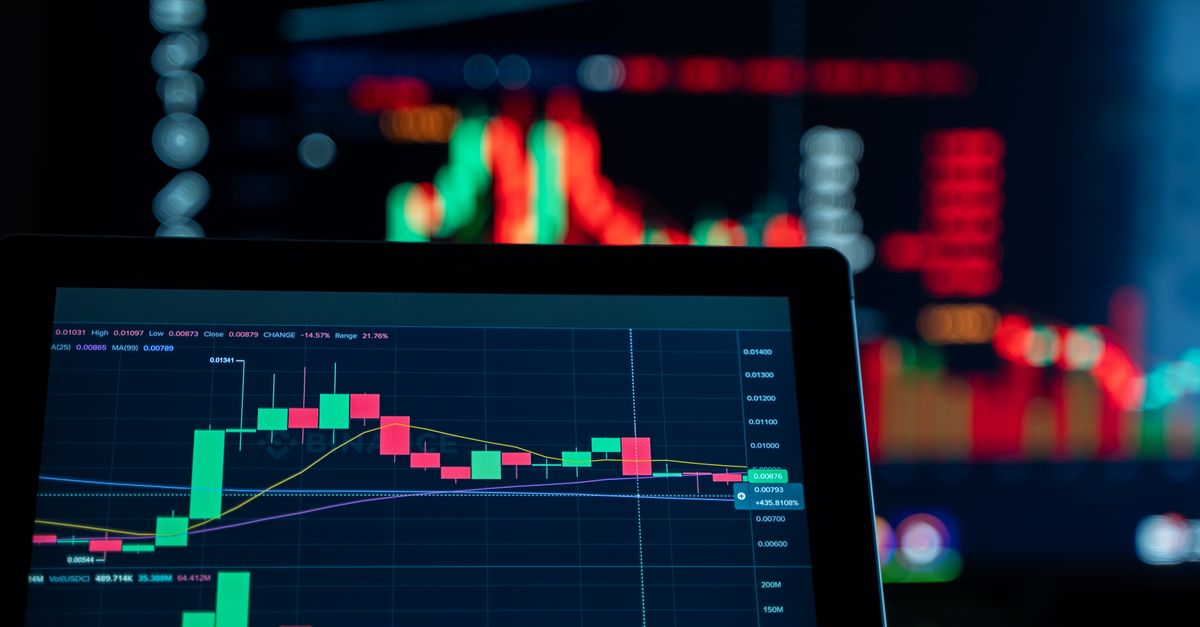
CoinDCX, India’s largest cryptocurrency exchange, suspended the opening of new crypto futures positions on October 30, 2026, after a security incident at Binance disrupted the liquidity conditions its derivatives market depends on. The move underscores a fact the industry rarely has to confront so directly: trouble at one of the world’s dominant exchanges can ripple into platforms thousands of miles away that most traders never think of as connected to it.
The decision came as fallout from a hacking incident at Binance continued to spread through global crypto markets. Binance, the world’s largest exchange by trading volume, has been grappling with the consequences of a breach that has already drawn scrutiny from regulators and rattled confidence across the sector. Reports of the breach climbing as high as $6.3 billion have circulated, making it one of the largest security failures in the history of digital assets. Binance itself has acknowledged that the damage may be larger than initially reported while working toward restoring withdrawals.
Why a Binance problem became a CoinDCX problem
Crypto futures exchanges do not operate in isolation. Many platforms, including regional players like CoinDCX, rely on liquidity that flows through or is priced against larger venues such as Binance. When a major exchange suffers a breach of this scale, it does not just affect that exchange’s own customers. Market makers pull back, spreads widen, and the reference prices used to value futures contracts elsewhere can become unreliable or erratic. That is effectively what CoinDCX pointed to in suspending new futures positions: liquidity conditions it depends on had become impaired by the disruption originating at Binance.
This is a structural vulnerability that is easy to overlook when markets are calm. Exchanges compete with each other for users and volume, but beneath that competition sits a shared plumbing of liquidity providers, hedging relationships, and price feeds. A shock to one major node in that network can force even unrelated platforms into defensive measures, not because their own systems were compromised, but because the market environment they operate in suddenly became less predictable. CoinDCX’s suspension is a textbook illustration of that contagion risk, applied to a product, futures trading, that is particularly sensitive to sudden liquidity gaps because of leverage and margin mechanics.
What it means for traders and the broader market
For CoinDCX users, the immediate effect is simple: no new futures positions can be opened until the exchange judges that liquidity conditions have normalized. That is a meaningful restriction for a major Indian trading venue, and it signals that the exchange prioritized stability over continued access to a core product rather than risk disorderly pricing or execution for its customers.
More broadly, the episode adds to a growing body of evidence that incidents at large, systemically important exchanges carry consequences well beyond their own user base. The scale of the Binance breach has already prompted scrutiny from U.S. regulators, with the CFTC citing the hack to argue for tighter rules on offshore exchanges. Stablecoin issuers have also responded defensively, with reports that issuers froze $2.6 billion in tokens in the wake of the suspected breach. Taken together, these responses show an industry trying to contain damage across multiple fronts simultaneously: regulatory, monetary, and operational.
CoinDCX’s suspension fits into that pattern as the operational response of a derivatives venue reacting to conditions it cannot control directly. It is not evidence that CoinDCX itself was compromised; rather, it reflects a prudent, if disruptive, decision to pause a leveraged product rather than let customers trade into unstable pricing. The wider market reaction to the Binance situation has also been visible in equities tied to the crypto sector, where shares have come under pressure as the scale of the breach has become clearer.
What to watch next
Several developments will determine how this situation evolves in the days ahead:
- Whether Binance successfully restores normal withdrawal functionality and liquidity returns to historical levels.
- Whether CoinDCX provides a timeline or specific conditions for lifting its suspension on new futures positions.
- Whether other exchanges, in India or elsewhere, introduce similar precautionary restrictions tied to the same liquidity disruption.
- How regulators, including those referenced in discussions about offshore exchange oversight, respond to an incident of this magnitude.
- Whether the final confirmed size of the Binance breach is revised further as investigations continue.
For now, the episode serves as a reminder that crypto market infrastructure remains tightly interconnected. A security failure at one dominant platform can quickly become an operational constraint for traders using an entirely different exchange, simply because the underlying liquidity they both rely on does not respect institutional boundaries.
Source: CoinDesk
This content is for informational purposes only and does not constitute financial or investment advice.



Create a free account to comment and earn rewards.
Create account Log in