
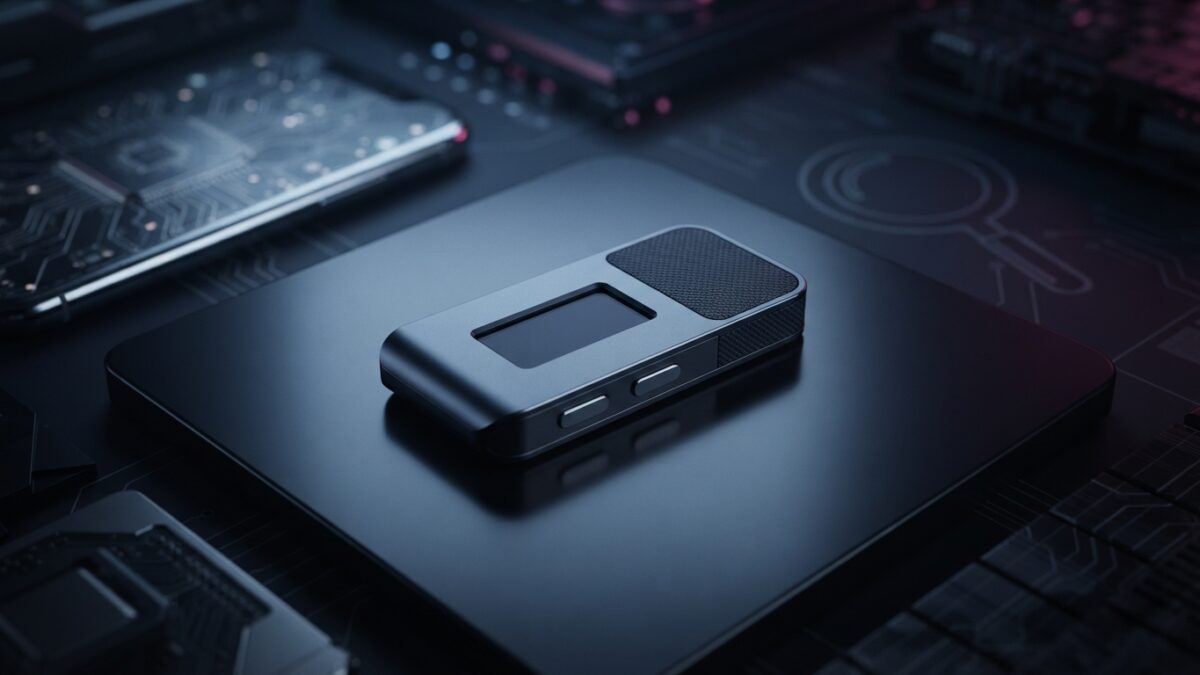
Ledger used its Op3n event in Paris on Thursday to unveil Atom, an Android-based hardware security device built with Solana Mobile, even as the company continues investigating reports that counterfeit or modified wallets sold through an unauthorized reseller in Southeast Asia may have contributed to tens of millions of dollars in crypto losses. The timing underscores a tension at the heart of Ledger’s business: the company is pitching a more ambitious, software-rich device at the very moment its core promise — tamper-proof custody — is under scrutiny.
A bigger, smarter device
Atom marks a departure from Ledger’s previous lineup, which has ranged in price from $69 to $399 and relied on stripped-down secure elements paired with minimal software. The new device runs on Android, integrates Solana Mobile’s Seeker app ecosystem, and adds tools designed to let users approve or reject transactions initiated by AI agents — a nod to the growing use of automated trading and portfolio-management bots. Ledger says the device retains a secure element certified to the EAL6+ standard, the same tier used in passports and payment cards, while adding what the company describes as enhanced tamper-detection protections.
Pricing reflects the shift in ambition. A Founder’s Edition will sell for $849, with a refundable $100 deposit required to reserve one ahead of shipments expected in summer 2027. After launch, the standard price is set at $899 — more than double Ledger’s previous flagship cost. Solana Mobile brings scale to the partnership: the platform has sold over 200,000 devices, processed more than $13 billion in transaction volume, and logged 154 million total transactions. Solana Mobile also began licensing its software to other Android device makers in March 2026, a move that positions Atom as part of a broader push to put crypto-native tools on mainstream hardware rather than niche, single-purpose devices.
Kraken is also circling the new device. The exchange and Ledger first announced a collaboration in September 2026, and Kraken is reportedly exploring support for Atom in approving transactions directly from its platform — a feature that would let exchange users confirm trades on dedicated hardware rather than relying solely on browser extensions or mobile apps.
The shadow of the CryptoBilis investigation
The launch arrives alongside an unresolved security episode that has rattled confidence in hardware wallet supply chains. Ledger is investigating devices distributed through CryptoBilis, a third-party reseller in Southeast Asia, where researchers allege an unauthorized hardware implant captured users’ recovery phrases during setup and transmitted them remotely to attackers. Onchain researchers have linked the incident to suspected losses exceeding $86 million, though Ledger has not confirmed a total figure or explained precisely how the tampering was carried out. One case tied to this pattern, in which a scammer lost $4.8 million in Bitcoin after acquiring a tampered Ledger wallet, illustrates how the compromised devices have affected both ordinary holders and bad actors alike.
Notably, Ledger says inspections conducted in Germany and elsewhere in Europe turned up no similar tampering, suggesting the problem may be geographically contained to the unauthorized distribution channel rather than Ledger’s own manufacturing or official retail network. That distinction matters: hardware wallets are marketed on the premise that a device purchased through legitimate channels cannot be altered before it reaches the buyer. A breach anywhere in that chain, even through an unofficial reseller, chips away at the broader case for self-custody as inherently safer than leaving assets on an exchange.
What the Atom launch signals
For an industry built on the idea that hardware isolation protects private keys from software-based attacks, the simultaneous rollout of a more complex, internet-connected, app-driven device and an active supply-chain investigation sends a mixed signal. Atom’s Android foundation and AI-agent approval tools expand what a hardware wallet can do, but they also expand the attack surface and the trust users must place in both the device manufacturer and the distribution network that gets it into their hands.
Security researchers and customers will likely press Ledger for more detail on how Atom’s tamper-detection protections differ from those in devices implicated in the CryptoBilis case, and whether the company plans changes to how it vets resellers globally. The broader crypto industry has spent the past year building infrastructure meant to make digital assets more usable and cost-effective — from AI-agent transaction tools to payment rails like the ones behind the finding that stablecoin remittances cost 84% less than bank transfers — but each new convenience layer also introduces new points of potential failure.
Watch for Ledger to publish findings from its CryptoBilis investigation, for details on how Atom’s reservation and shipment process unfolds ahead of its summer 2027 target, and for confirmation of whether Kraken formalizes direct transaction-approval support for the device. Also worth monitoring is whether Solana Mobile’s software licensing to other Android manufacturers produces competing hardware wallets built on the same foundation as Atom, which would test whether the approach scales securely beyond a single vendor.
Source: The Block
This content is for informational purposes only and does not constitute financial or investment advice.



Create a free account to comment and earn rewards.
Create account Log in