
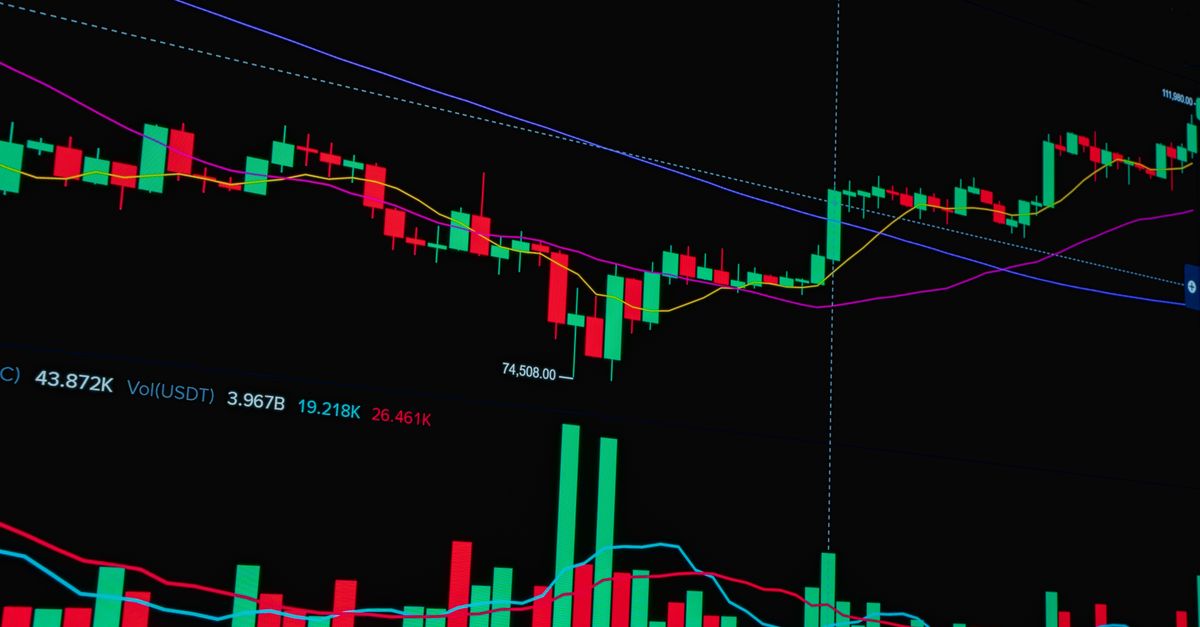
Bitcoin dropped below $80,000 over the weekend after Washington ordered the evacuation of embassy staff and military personnel across the Middle East, citing intelligence that Iran is plotting attacks against Americans. The retreat in crypto prices underscores how quickly geopolitical risk can override market-specific narratives, even for an asset class that proponents often describe as insulated from traditional macro shocks.
By Saturday, bitcoin traded at $79,700, down 2.2% over 24 hours and at a multi-week low. The decline was broader than bitcoin alone: ether, XRP and solana each fell between 3% and 4% in the same period, a pattern that suggests investors were reducing exposure across the board rather than rotating between specific tokens.
What triggered the evacuation order
The move follows a memo from Jay Clayton, the U.S. director of national intelligence, to Secretary of State Marco Rubio, warning that Iran has escalated lethal plotting against U.S. citizens both in the Middle East and in other countries. The warning builds on reporting earlier in the week that the United States had already told diplomatic staff in Saudi Arabia to leave the kingdom, signaling that concern inside the administration had been building for days before Saturday’s broader evacuation order became public.
Adding to the sense of escalation, President Trump told a rally in Florida that he may pursue another military operation, invoking a prior action referred to as “Epic Fury,” and suggesting any new move would come after the November midterm elections. That timeline matters: it frames the current standoff not as an immediate flashpoint but as a slow-building confrontation that markets will likely have to price in over weeks, not days.
What it means for crypto markets
For crypto investors, the episode is a reminder that bitcoin and its peers remain tightly correlated to global risk sentiment, not detached from it. When geopolitical tension spikes, capital tends to flow toward traditional safe havens and away from volatile assets, and digital tokens — despite years of being pitched as “digital gold” or a hedge against instability — have repeatedly behaved more like high-beta risk assets in these moments. The simultaneous decline across bitcoin, ether, XRP and solana on Saturday fits that pattern: a broad, indiscriminate sell-off rather than a token-specific story.
The timing also matters because it compounds an already turbulent stretch for the industry on other fronts. This week alone brought a shareholder lawsuit against Trump over Circle’s stablecoin arrangements in the United Arab Emirates, a case that ties U.S. crypto policy directly to foreign-policy entanglements in the same region now at the center of the Iran tensions. Regulatory scrutiny has also intensified elsewhere: Coinbase’s Irish arm was found to have fallen short of required customer-cash buffers for 18 months, a reminder that compliance risk continues to shadow even the most established platforms regardless of what is happening in financial markets.
Taken together, these threads point to a market absorbing pressure from multiple directions at once — geopolitical, legal and regulatory — at a moment when investors have little room to distinguish between noise and genuine risk. None of these developments are directly caused by one another, but their convergence this week illustrates how exposed crypto valuations remain to events far outside the industry’s own control.
What to watch next
Several concrete signals will determine whether this becomes a short-lived dip or the start of a more sustained repricing:
- Whether the U.S. evacuation order expands beyond the facilities currently affected, or whether personnel begin returning as tensions ease.
- Any further statements from the administration about the timing or scope of a potential military operation, particularly given Trump’s own reference to acting after the midterms.
- How bitcoin and other major tokens behave around the $80,000 level in coming sessions — whether it holds as support or gives way to further declines.
- Parallel developments in the broader crypto-policy landscape, including how regulators and courts handle unrelated but concurrent cases tied to U.S. officials and crypto firms.
For now, the episode reinforces a familiar lesson for crypto holders: in moments of geopolitical stress, digital assets have tended to move with — not against — the broader risk-off mood of global markets.
Source: CoinDesk
This content is for informational purposes only and does not constitute financial or investment advice.



Create a free account to comment and earn rewards.
Create account Log in