
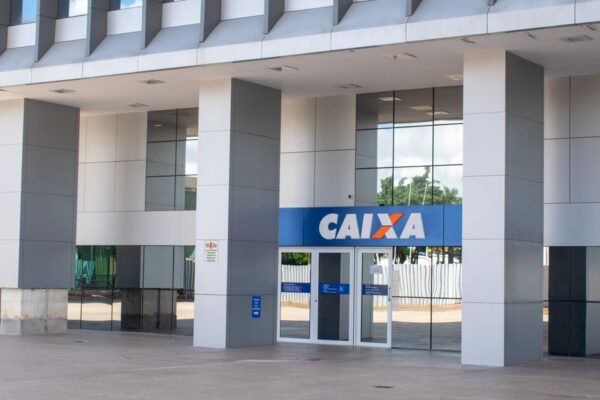
Banco do Brasil, the country’s largest lender by assets, has become the first bank to formally register as a crypto brokerage under Brazil’s new cryptoasset regulatory framework. The registration, confirmed on October 28, 2026, allows the state-controlled bank to officially offer crypto buying, selling and custody services to its clients — a milestone that brings one of Latin America’s largest financial institutions directly into the regulated digital-asset business.
The move matters because it is the clearest sign yet that Brazil’s push to formalize crypto activity inside its mainstream banking system is working as intended. Rather than crypto remaining a parallel market served mostly by exchanges and fintech platforms, a systemically important bank has now cleared the licensing bar set by regulators and can legally compete for custody and trading business alongside dedicated crypto firms.
How Brazil Got Here
The registration did not happen in a vacuum. Brazil’s central bank, the BCB, has spent recent years building out a licensing regime for virtual asset service providers, following legislation that established the legal basis for regulating crypto activity nationally. That framework has steadily moved from broad statutory language toward concrete registration requirements that firms — whether crypto-native exchanges or traditional banks — must satisfy to legally offer services such as trading and custody to Brazilian clients.
The timing is notable. Brazil’s regulatory deadline pressure has been building across the industry: global exchange Binance has been seeking its own Brazil license and trimming services ahead of an October 30 compliance deadline, underscoring how firmly the central bank is enforcing its new rules. Against that backdrop, Banco do Brasil’s registration lands as a signal that domestic banks are not just watching the licensing process from the sidelines — they are actively securing authorization to operate inside it.
Brazil’s approach also sits within a broader global pattern of regulators trying to bring crypto activity inside supervised financial institutions rather than leaving it to unregulated intermediaries. In the United States, the OCC has similarly been encouraging banks to take on regulated digital-asset roles, including its recent push for community banks to become stablecoin issuers under the GENIUS Act, while Canada has been drafting its own stablecoin rules requiring 1:1 reserves and fast refunds. Brazil’s licensing of a major bank for crypto brokerage fits that same international direction: regulators are not trying to shut crypto out of banking, they are trying to bring it inside a supervised perimeter.
What It Means for Brazil’s Market
For Brazilian consumers and institutional clients, the practical implication is straightforward: they can now access crypto buying, selling and custody services through the same bank that handles their traditional deposits, loans and payment accounts, rather than relying solely on standalone exchanges. That consolidation carries real weight in a market as large as Brazil’s, where Banco do Brasil’s reach extends into virtually every corner of the economy, from retail banking to agribusiness finance and government-linked transactions.
It also sets a competitive and regulatory precedent. Banco do Brasil being first through the door under the new framework puts pressure on other large Brazilian banks to pursue the same registration, both to avoid ceding ground to a dominant competitor and because clients increasingly expect digital-asset services alongside conventional banking products. Once one major lender demonstrates that the licensing path is navigable, others are likely to follow rather than cede that business entirely to crypto-native platforms or international exchanges still working through their own Brazilian approvals.
The development also reinforces a theme playing out well beyond Brazil: traditional financial institutions are increasingly willing to build formal infrastructure around crypto custody and trading rather than treating the asset class as peripheral. That mirrors moves elsewhere in the sector, including Ripple’s recent progress toward a national trust bank charter in the United States, where regulators granted final approval over objections from traditional bankers — another example of established financial regulators formally accommodating crypto-focused business models rather than resisting them.
What Comes Next
Several things are worth watching from here. First, whether other major Brazilian banks follow Banco do Brasil’s lead and seek their own brokerage registrations in the coming months, which would confirm this as an industry-wide shift rather than an isolated move. Second, how the BCB continues to refine and enforce its licensing regime as more applicants — both domestic banks and international exchanges like Binance — work through the registration process ahead of looming compliance deadlines. Third, how quickly Banco do Brasil rolls out its crypto services to clients in practice, and what scope of assets and custody arrangements it offers under the new authorization.
More broadly, the episode will serve as a test case for whether integrating crypto services into a large, systemically important bank changes the character of Brazil’s crypto market — making it more institutional, more supervised, and potentially more conservative in the products it offers compared with the exchange-led market that has dominated until now.
Source: CoinDesk
This content is for informational purposes only and does not constitute financial or investment advice.


Create a free account to comment and earn rewards.
Create account Log in