
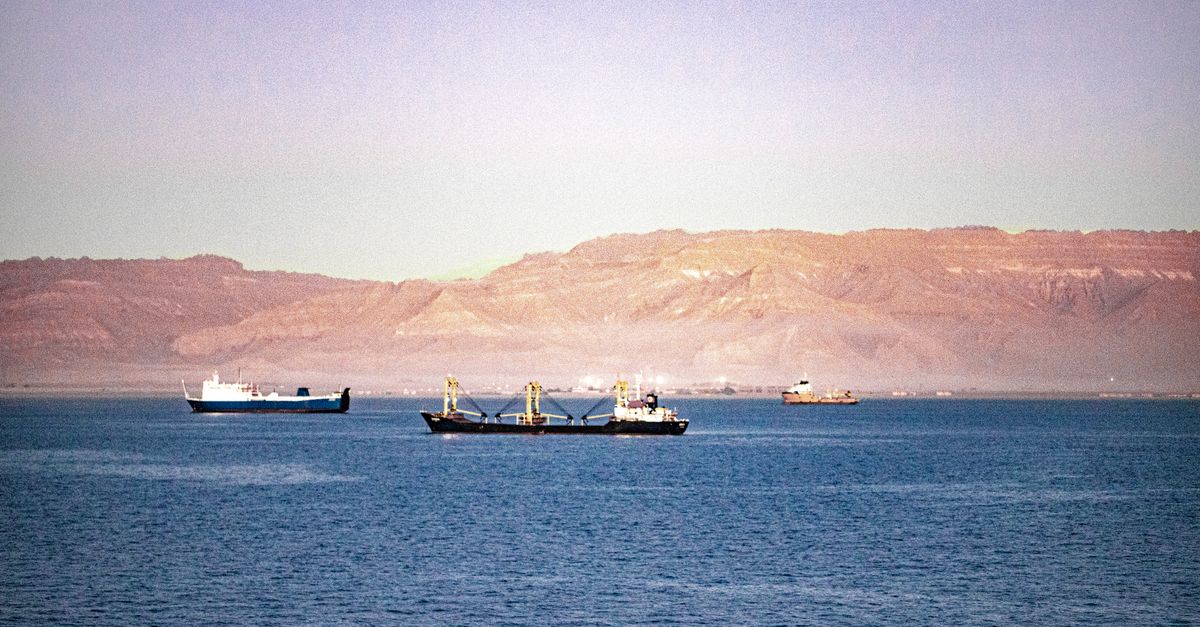
The US Treasury has sanctioned BitBank, an Iran-based cryptocurrency exchange, accusing it of processing Bitcoin payments tied to a maritime insurance scheme in the Strait of Hormuz that allegedly funneled hundreds of millions of dollars to the Islamic Revolutionary Guard Corps. The action, announced Thursday by the Office of Foreign Assets Control, marks the latest escalation in Washington’s campaign to sever Iran’s access to global finance through digital assets.
According to OFAC, BitBank processed Bitcoin collected under the Hormuz Safe Marine Services Authority, a scheme that reportedly extracted payments from ships transiting the strait, one of the world’s most heavily trafficked oil corridors. The agency also sanctioned BitBank’s developer, Pishtaz Simorgh Electronic Trade Company, along with three associates of Iranian financier Babak Zanjani, a figure long tied to sanctions-evasion networks. BitBank was reportedly established in 2024, and the alleged fund flows to the IRGC were ongoing as recently as June 2026.
A Widening Net Around Iran’s Crypto Rails
This is not an isolated strike. In June 2026, Treasury sanctioned four Iranian exchanges, including Nobitex, the country’s largest platform. Two months later, in August, it added Shelbit and Aban Tether to the list. In between, US authorities froze more than $130 million in Tether’s USDt tokens tied to Iran in July, signaling that stablecoins, not just Bitcoin, have become a focal point of enforcement.
The pattern suggests a deliberate, sequential effort to dismantle the on-ramps and off-ramps Iranian actors use to convert crypto into usable value abroad. Each action targets a different layer of the ecosystem: exchanges that handle retail and institutional flows, the technical developers who build the platforms, and the individuals who move money through corporate structures. By naming Pishtaz Simorgh alongside BitBank itself, OFAC is signaling that it intends to pursue the infrastructure layer, not just the storefront.
Notably, Treasury took care to distinguish the sanctioned BitBank from bitbank, inc., the Japan-based exchange acquired by SBI Holdings in June 2026. The clarification underscores a recurring problem in crypto enforcement: name collisions between legitimate, regulated platforms and sanctioned entities can create confusion for users, partners, and even other regulators trying to track compliance.
What the Sanctions Signal for Iran’s Financial Strategy
The scale alleged here, hundreds of millions of dollars in Bitcoin allegedly funneled to the IRGC, illustrates why Washington views crypto as a serious vulnerability in its sanctions architecture rather than a marginal one. The Strait of Hormuz angle adds a maritime dimension rarely seen in crypto sanctions cases: a physical toll-collection scheme, ostensibly for insurance, allegedly converted into digital assets and then routed to a US-designated terrorist organization’s financial arm.
Iran’s response to mounting pressure has reportedly included loosening its own currency rules. Per a Financial Times report cited in Treasury’s context, the country’s central bank has eased foreign currency restrictions, including around crypto use, apparently to offset the tightening grip of sanctions. That move cuts both ways: it may give ordinary Iranians and businesses more flexibility to transact internationally, but it also potentially widens the surface area regulators like OFAC will scrutinize going forward.
For the broader crypto industry, actions like this reinforce a message regulators have been sending consistently: exchanges operating in sanctioned jurisdictions, or with lax controls, risk becoming targets regardless of their size or public profile. That message resonates well beyond Iran. Compliance frameworks under Europe’s MiCA regime, for instance, are pushing traditional banks to formalize custody and screening processes, as seen in Deutsche Bank’s pursuit of a MiCA custody license. Meanwhile, debates in Washington over how crypto markets should be regulated domestically continue, with the CLARITY Act narrowly surviving a Senate vote this week even as it remains stalled.
What to Watch Next
Several threads are worth following in the weeks ahead. First, whether OFAC extends its designations further down the chain, targeting wallet addresses, mining pools, or over-the-counter brokers that may have handled the Bitcoin allegedly tied to Hormuz Safe. Treasury’s July freeze of $130 million in USDt shows the agency is willing to act on stablecoin flows as aggressively as it does on Bitcoin.
Second, how exchanges outside Iran respond. Global platforms may face pressure to tighten geoblocking and transaction monitoring to avoid inadvertently processing funds linked to newly sanctioned addresses. Third, whether Iran’s central bank continues loosening crypto-related currency rules, a move that could either blunt the impact of sanctions or generate fresh enforcement targets for Treasury.
Finally, the case adds another data point to a year defined by intensifying scrutiny of crypto’s role in illicit finance, from exchange sanctions to prosecutions like the DOJ’s charges against former Robinhood engineers over Hyperliquid trades. Regulators in multiple jurisdictions appear increasingly willing to treat crypto infrastructure as a legitimate enforcement target rather than a niche curiosity, a shift with consequences for exchanges, custodians, and everyday users alike.
Source: Cointelegraph
This content is for informational purposes only and does not constitute financial or investment advice.



Create a free account to comment and earn rewards.
Create account Log in