
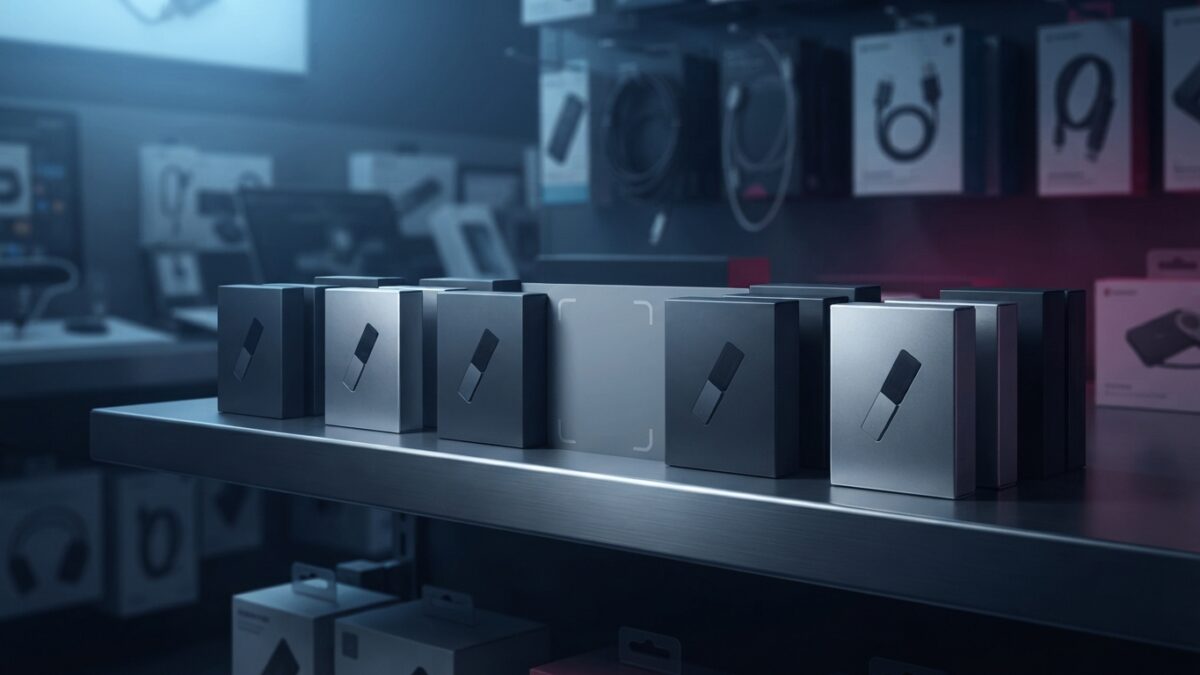
Ledger has asked resellers and distributors in six Southeast Asian countries plus Hong Kong to stop selling its hardware wallets and remove existing stock from shelves, the company said Tuesday, as it widens an investigation into tampered devices linked to stolen cryptocurrency. The request, posted on X, covers Indonesia, Singapore, Thailand, the Philippines, Vietnam, Malaysia and Hong Kong — a sweeping geographic footprint for a company whose entire business rests on the promise that its devices keep private keys safe from thieves.
The move escalates a problem that first surfaced in narrower form. Ledger had already confirmed tampered hardware wallets sold in Southeast Asia, after a single reseller, CryptoBilis, was flagged following reports of stolen funds tied to devices bought through it. That earlier action was limited to one distributor. This week’s request is categorically broader: an entire regional distribution network, spanning seven markets, pulled from sale while the company figures out how far the compromise reached.
How a Cold Wallet Becomes a Hot Risk
Hardware wallets like Ledger’s exist precisely to take private keys offline, away from internet-connected malware that plagues software wallets and exchange accounts. Users trust them because the chip inside is supposed to be a sealed, verifiable black box — you plug it in, confirm a transaction on its screen, and the keys never leave the device. That trust model collapses the moment someone can alter the hardware before it ever reaches a buyer.
That appears to be exactly what investigators are looking at. A related report detailed how Ledger confirmed a spy chip in tampered wallets capable of siphoning keys via LTE connectivity — meaning a compromised device could theoretically transmit sensitive data over a cellular connection rather than relying on the user’s own network, making the intrusion harder to detect through ordinary means like monitoring Wi-Fi traffic. If a chip can be implanted during manufacturing, repackaging or shelf-stocking, then the entire reseller supply chain becomes a potential attack surface, regardless of how secure Ledger’s own factory processes are.
Ledger maintains that its own infrastructure, systems, services and direct sales channel show no signs of compromise, and that confirmed tampering incidents remain limited to Southeast Asia. The company says it has not verified any theft linked to devices purchased through other channels. But the picture is already more complicated than that reassurance suggests: users in Europe have since reported suspected tampering of their own, even as Ledger has not confirmed those cases. Retail giant MediaMarkt has separately pulled Ledger wallets from its shelves amid the tampering probe, a sign that caution is spreading well beyond the originally flagged region.
What the Fallout Means for Buyers and the Industry
For everyday users, the immediate implication is simple: the security of a hardware wallet depends not just on its design but on the integrity of every hand it passes through before reaching a buyer. A device purchased from an unauthorized or loosely vetted reseller carries a different risk profile than one bought direct from the manufacturer, even if both look identical in the box. That distinction has not historically been something buyers were trained to think about — but this episode is forcing the issue.
The reputational stakes extend beyond Ledger itself. Rival manufacturer Trezor has already moved to cut back its own reseller network as a preventative measure, even without evidence that its devices were touched — a defensive step that underscores how quickly supply-chain doubt can spread across an entire product category once one vendor’s channel is shown to be vulnerable. Trust in cold storage has been a selling point the whole hardware-wallet industry has leaned on for years; a confirmed tampering case at one of the two best-known brands puts that pitch under scrutiny industry-wide.
Ledger’s communications have also drawn criticism independent of the technical findings. An earlier company update attempting to frame the issue as a reseller-side failure did little to quiet the backlash from affected users, who argue that responsibility for vetting distribution partners ultimately sits with the manufacturer whose name is on the device.
What to Watch Next
Several threads remain open. Ledger has not said how long the regional suspension will last or what conditions resellers must meet before sales resume. Whether the European reports of suspected tampering get formally confirmed would materially change the scope of the problem, shifting it from a regional distribution failure to something closer to a global one. Regulators and consumer-protection bodies in the affected markets may also weigh in, given that six countries plus Hong Kong is a large enough footprint to draw official attention. Finally, how Ledger verifies and communicates which batches, serial numbers or sales channels are affected will determine whether existing owners can trust devices already in their possession, or whether a broader recall becomes necessary.
Source: Cointelegraph
This content is for informational purposes only and does not constitute financial or investment advice.



Create a free account to comment and earn rewards.
Create account Log in