
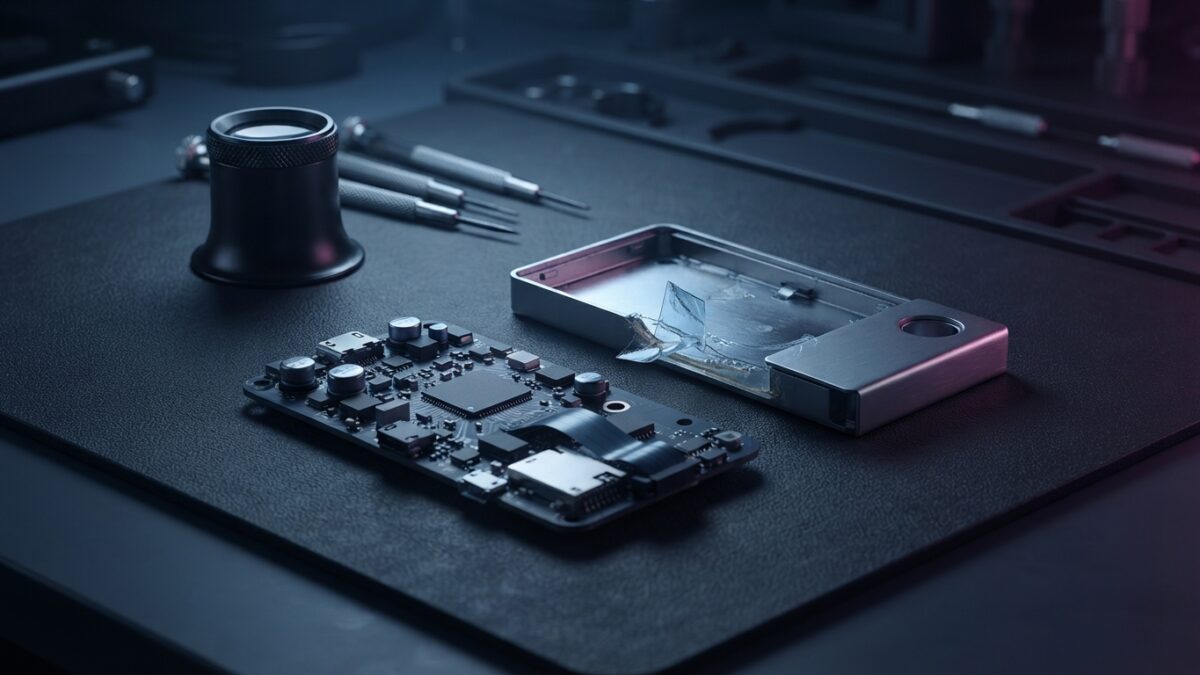
Ledger received direct warnings about hardware wallets containing malicious implants as early as December 2025, months before the company’s security crisis became public on October 9, 2026, according to a timeline now emerging from researchers and industry figures. The gap between the first alerts and public disclosure raises uncomfortable questions about how seriously hardware wallet makers treat early-stage threat reports from outside their own walls.
The people involved are not obscure. Mark Karpelès, the former CEO of Mt. Gox who has spent more than a decade reckoning with the consequences of one of crypto’s largest security failures, is among those now scrutinizing Ledger’s response. Security researcher Joe Grand, known in hardware-hacking circles for dismantling and probing crypto wallets, alerted Ledger directly. A Vietnamese crypto educator identified as Tai Zen also flagged a suspected implant to the company. Both approached Ledger well before the issue became a matter of public record.
A Timeline Built on Delay
According to the facts now known, Tai Zen contacted Ledger in December 2025 about a device he suspected had been tampered with. Three months later, on March 4, 2026, Joe Grand went further, alerting the company about a malicious implant he had physically found inside a Ledger Nano X. That specific device had been purchased in August 2025 through Lazada Thailand, a mainstream online marketplace, not a back-alley vendor — underscoring how easily compromised hardware can slip into legitimate retail channels in Southeast Asia, where the reports concentrated, spanning Thailand and Vietnam.
It was not until October 9, 2026 that the scale of the problem reached public attention, when losses tied to a reseller called CryptoBilis came to light. Ledger has since confirmed that at least one affected device sold through CryptoBilis, which it describes as an authorized reseller, contained an implant that was never meant to be there. The financial stakes of the episode are not abstract: one scammer alone reportedly lost $4.8 million in Bitcoin that had been stored on a tampered Ledger device, a case detailed in a separate account of the theft. Ledger has continued rolling out new products during the probe, including an Android-based wallet whose launch unfolded even as the tampering investigation widened, as coverage of that rollout has noted.
Not an Isolated Pattern
Grand’s warnings were not limited to Ledger. In August 2026 he alerted Trezor, a rival hardware wallet maker, about tampered Trezor One and Model T devices he had examined. That was not even his first contact with Trezor on this subject — he had previously flagged modified devices circulating on Russian marketplaces back in 2022, sold by sellers with no authorization from the manufacturer. The recurrence of the same basic failure mode, years apart and across different companies, suggests the problem is less about any single manufacturer’s incompetence and more about a structural weak point in how hardware wallets reach end users.
That weak point is the reseller. A cold wallet’s security model depends entirely on the integrity of the physical device from factory to buyer’s hands. Once a device passes through an unauthorized or loosely vetted reseller, that chain of custody is broken, and no amount of on-device cryptography can compensate for a chip or component added before the box was ever opened. Both Trezor and OneKey have since moved to cut back or remove reseller listings entirely, citing a need for stricter authorization checks — a tacit acknowledgment that marketplace oversight, not just firmware design, was the failure point.
What It Means for Hardware Wallet Users
For everyday holders of Bitcoin and other digital assets, the episode is a reminder that self-custody security does not end with buying a reputable brand. It extends to where and how that device was purchased, and whether the seller carries verifiable authorization from the manufacturer. The months-long gap between the first private warnings and the public reckoning also raises a separate question that extends beyond any one company: how do hardware manufacturers triage and act on reports from independent researchers before those reports become costly headlines?
What Comes Next
Several threads are worth watching. First, whether Ledger discloses more detail about its internal response timeline between December 2025 and October 2026, and whether it changes how it vets resellers like CryptoBilis going forward. Second, whether Trezor’s and OneKey’s reduced reseller networks become an industry norm, with manufacturers selling more directly rather than through third-party marketplace listings. Third, whether regulators or marketplace operators such as Lazada introduce stricter verification requirements for electronics sold as security hardware. The episode also lands amid a broader moment of scrutiny for crypto custody and infrastructure, from debates over quantum computing’s long-term threat to Bitcoin’s cryptography to questions about institutional treatment of crypto-holding firms, as seen in new index rules affecting Bitcoin treasury companies. None of these threads resolve the core issue the Ledger case exposes: that a hardware wallet is only as trustworthy as every hand it passed through before reaching its owner.
Source: Cointelegraph
This content is for informational purposes only and does not constitute financial or investment advice.



Create a free account to comment and earn rewards.
Create account Log in