
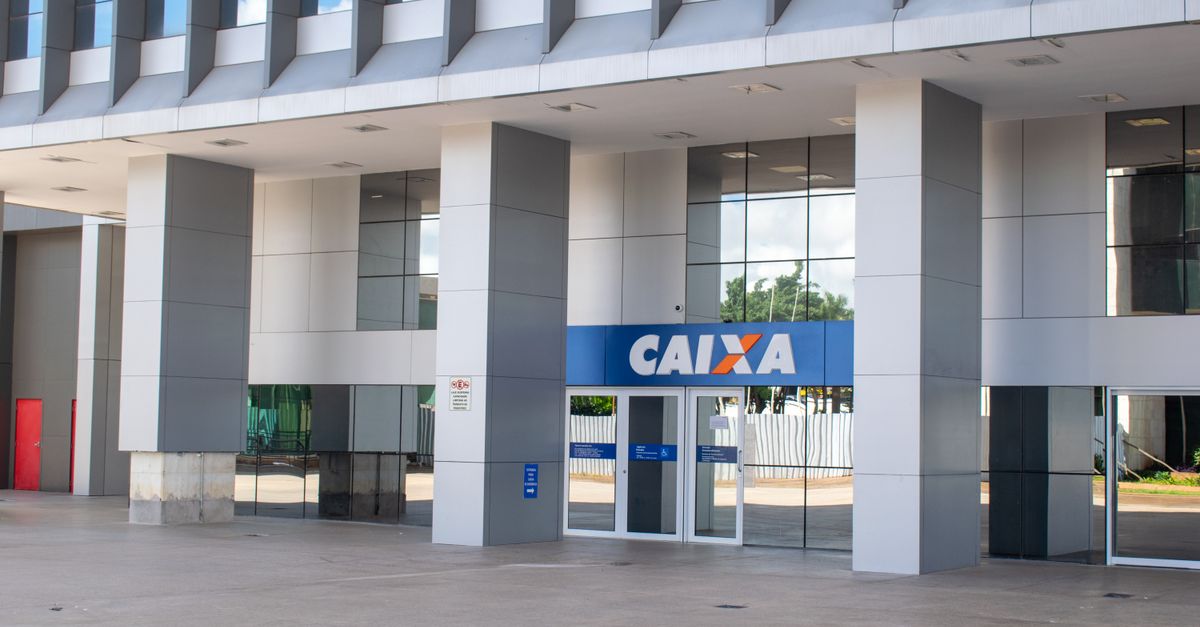
Binance has formally applied for a cryptocurrency service provider license with Brazil’s central bank, filing through its local entity BBrasil on Oct. 23, 2026. The move comes just a week before a central bank deadline requiring existing crypto firms to seek authorization if they want to keep operating in the country, one of Latin America’s largest digital asset markets.
Alongside the application, Binance has already begun restructuring what it offers Brazilian users. As of Oct. 27, 2026, the exchange restricted crypto lending and margin trading services and delisted 22 crypto assets for customers in Brazil. The timing suggests the company is moving to align its product lineup with what regulators are likely to permit, rather than waiting for a ruling that might force more abrupt changes later.
Why Brazil Is Tightening the Rules
Brazil’s central bank has set Oct. 30, 2026, as the cutoff for crypto service providers to submit license applications under a new regulatory framework. Companies already operating in the country are allowed to continue doing business during a transitional period, but only if they file by that date. Submitting an application, however, is not the same as receiving approval — the central bank retains full discretion over which firms ultimately qualify to operate legally once the transition period closes.
This kind of phased licensing regime is becoming a familiar pattern well beyond Brazil. Regulators in multiple jurisdictions are moving to formalize oversight of crypto platforms rather than leave them in a legal gray zone, often requiring firms to prove compliance capacity before a hard deadline. Canada, for instance, has been running its own parallel process, drafting stablecoin rules that would require 1:1 reserve backing and fast refund mechanisms, and separately opening a public consultation on how closely its stablecoin framework should align with the United States. Brazil’s approach — a licensing deadline paired with discretionary approval — reflects a similar instinct: bring major platforms inside a supervised perimeter before deciding who stays.
What the Service Cuts Signal
The decision to restrict crypto lending and margin trading, and to delist 22 assets, is notable because it happened before any licensing decision was made. Binance’s local general manager has said the company hopes continued dialogue with the central bank will eventually allow some of the discontinued services to be reinstated. That framing matters: it indicates the cuts are being treated internally as a temporary compliance posture rather than a permanent retreat from the market, and that Binance sees the central bank’s review as an ongoing negotiation rather than a one-time approval or rejection.
For Brazilian users, the immediate effect is a narrower product set. Margin trading and lending are typically higher-risk, higher-leverage products, and regulators scrutinizing crypto platforms often focus first on exactly these kinds of offerings because of the systemic and consumer-protection risks they can carry. The delisting of 22 assets similarly points to an effort to trim exposure to tokens that may not meet whatever standards the central bank is expected to apply — standards that have not been fully detailed publicly but that firms are clearly trying to anticipate.
The episode also underscores a broader truth about Brazil’s crypto market: its size and maturity now attract the same kind of regulatory attention being applied to traditional financial institutions. Just as Ripple’s securing of a national trust bank charter in the U.S. reflects crypto firms seeking formal standing within established financial systems, Binance’s Brazil application reflects the same broader trend of exchanges pursuing legitimacy through licensure rather than operating on the margins of regulatory frameworks.
What Comes Next
The Oct. 30 deadline is the next concrete marker. Whether Binance’s application is accepted, rejected, or left pending with conditions will set a precedent for how other crypto service providers navigate Brazil’s licensing regime. A few things are worth watching in the weeks ahead:
- Whether the central bank grants Binance’s application, denies it, or requests additional information before the transitional period ends.
- Whether any of the 22 delisted assets return to the Brazilian platform following further dialogue with regulators.
- Whether lending and margin trading services are reinstated, partially or fully, once licensing status is clarified.
- How other exchanges operating in Brazil respond to the same Oct. 30 deadline, and whether similar service restrictions appear industry-wide.
Regulatory uncertainty of this kind can ripple into unrelated corners of public life. A recent example in Brazil showed how a trading restriction tied to political events skewed outcomes on prediction markets during the country’s election, a reminder that platform-level restrictions, even when well-intentioned, can distort the signals markets are supposed to provide. As Brazil’s central bank finalizes its approach to crypto licensing, the practical details of who gets approved, and under what conditions, will likely matter more to users than the headline news of an application being filed.
Source: Cointelegraph
This content is for informational purposes only and does not constitute financial or investment advice.

Create a free account to comment and earn rewards.
Create account Log in