
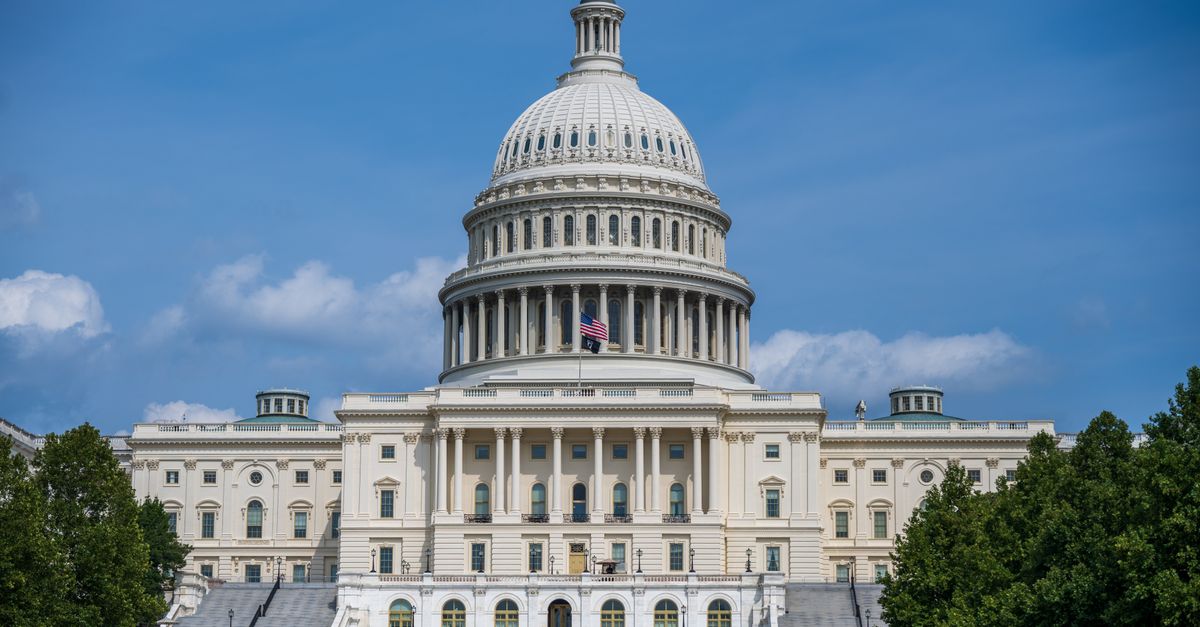
The House Ways and Means Committee voted 38-5 on Wednesday to advance the Digital Asset Tax Certainty Act, sending to the full House the first comprehensive federal tax framework written specifically for cryptocurrencies. The bill would set clear rules on how small transaction fees, mining and staking income are taxed — questions that have vexed crypto holders and tax preparers since bitcoin’s early days.
The vote, led by Chair Jason Smith (R-Mo.), landed one day after the Senate’s broader Clarity Act stumbled in its first procedural vote, a setback tied to Democratic objections over President Trump’s expanding crypto business interests. That contrast — a lopsided, bipartisan committee vote in the House against a stalled, contentious effort in the Senate — is itself part of the story. Lawmakers who blocked the Clarity Act over ethics concerns a day earlier found narrower common ground on tax policy, where the political stakes are lower and the practical need is more acute.
What the bill actually does
At the center of the legislation is a de minimis exemption: transactions generating $10 or less in network or transaction fees would be exempt from tax. That sounds like a small technical fix, but it addresses a real headache. Under current law, every time someone pays a gas fee to move crypto or complete a small on-chain transaction, that fee can technically trigger a taxable event, forcing individual users to track and report amounts that are often trivial. The provision is set to take effect in December 2027.
The bill also directs the Treasury Department to establish a Voluntary Disclosure Program within 12 months of enactment, giving taxpayers who may have misreported digital asset income in the past a formal path to come into compliance. Rep. Steven Horsford (D-Nev.) and Rep. Lloyd Doggett (D-Texas) were named among the committee members involved in the process, reflecting the bipartisan nature of the 38-5 tally.
Notably, an earlier draft of the bill included language that would have let taxpayers defer recognizing mining and staking income until they actually sold or disposed of the assets. That provision was stripped out before the vote, leaving unresolved one of the thorniest questions in crypto taxation: whether staking rewards and mined coins should be taxed the moment they are received, even if their market value later falls, or only once they are sold. Industry groups, including the Crypto Council for Innovation, represented in discussions by Alison Mangiero, have pushed for clarity on exactly this point.
Why the timing matters
This is the first time a congressional committee has advanced a full federal tax framework aimed squarely at digital assets, which is notable given how long ambiguity has persisted. The IRS has issued piecemeal guidance over the years, but Congress itself has never passed comprehensive statutory language addressing how staking rewards, mining income and micro-transactions should be taxed. A committee-level vote, especially one this lopsided, signals that tax certainty for crypto has broader bipartisan appeal than the market-structure fights playing out in the Senate.
That said, advancing out of committee is not the same as becoming law. The bill still needs a vote in the full House, and the House is expected to recess until after the November elections. That means any further movement would likely happen during the lame-duck session at the earliest — a period historically used to push through unfinished legislative business before a new Congress convenes.
Meanwhile, attention is also shifting to the Senate Finance Committee, which is pursuing its own parallel efforts on crypto tax legislation. Whether the House and Senate versions can be reconciled, and how quickly, will shape whether taxpayers see actual relief on the fee exemption and disclosure program timelines the House bill lays out.
What to watch next
Several concrete markers will indicate whether this framework becomes real: whether the full House schedules a floor vote after the November recess; whether the Senate Finance Committee produces companion or competing text; and whether lawmakers revisit the dropped deferral option for mining and staking income, which remains the single biggest unresolved technical question in the bill. The broader Clarity Act fight, still unresolved after the Senate setback and prompting industry groups to signal a midterm reckoning over the delay, will also shape the political appetite for moving tax legislation forward, since the two efforts are being watched as part of the same broader push to give the crypto industry a federal rulebook. Market reaction to regulatory setbacks has already been visible elsewhere, with crypto stocks reacting sharply to the Senate’s stumble, underscoring how closely investors are tracking Washington’s progress — or lack of it — on digital asset rules.
For now, the Digital Asset Tax Certainty Act represents incremental but real progress: a narrow, technical bill that cleared committee with wide bipartisan support even as the more ambitious market-structure legislation remains stalled. Whether that momentum survives the House recess and translates into an actual law will be the real test in the months ahead.
Source: The Block
This content is for informational purposes only and does not constitute financial or investment advice.


Create a free account to comment and earn rewards.
Create account Log in