
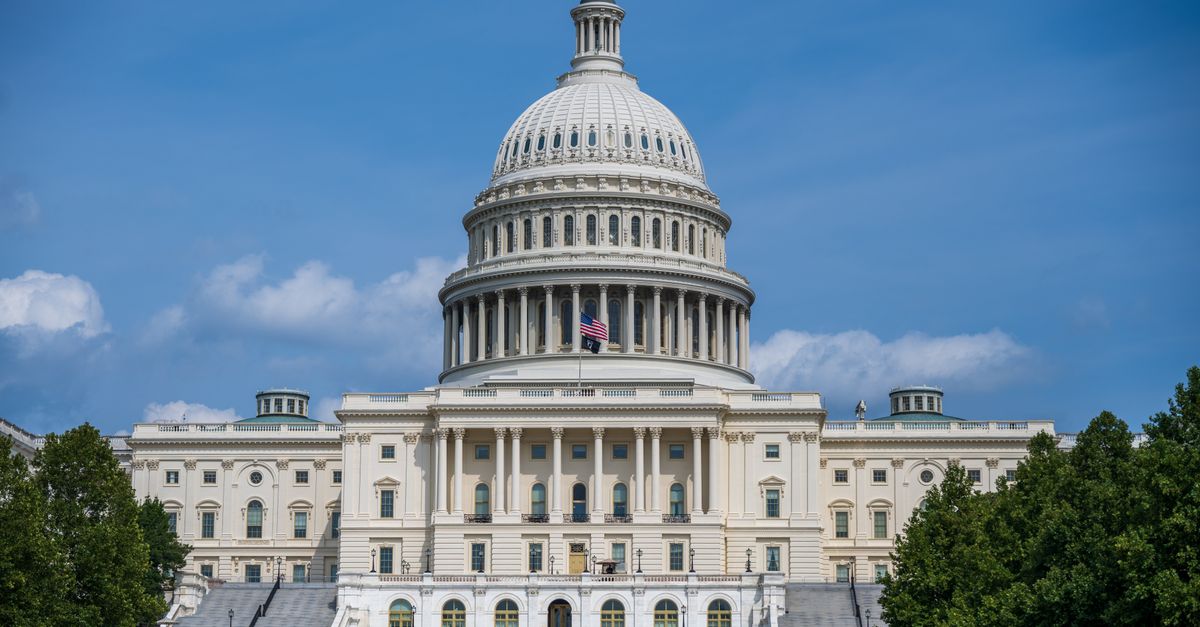
The US Senate’s failure to advance the Clarity Act has done more than delay a bill — it has redirected the entire center of gravity for American crypto policy. Within 48 hours of the procedural vote falling short, the Securities and Exchange Commission, the Commodity Futures Trading Commission, the Federal Reserve and the Office of the Comptroller of the Currency each moved to issue their own crypto-related rules and frameworks, effectively announcing that agency rulemaking, not congressional statute, will now set the pace for the industry.
The vote itself was close but decisive: 49 in favor to 50 against, well short of the 60 votes needed to advance the legislation, with three Republicans crossing the aisle to join Democrats in opposition. That the bill fell apart at all was notable given more than a year of drafting work behind it. The Clarity Act was designed to settle one of the most contentious questions in US crypto policy — which federal agency, the SEC or the CFTC, has jurisdiction over which digital assets. Its collapse was driven in part by disputes over ethics provisions tied to President Trump’s own crypto business ventures, a complication that has shadowed digital-asset policy debates throughout his administration.
From Gensler’s Enforcement Era to Atkins’ Rulebook
For an industry that spent years complaining about “regulation by enforcement” under former SEC Chair Gary Gensler, the current moment is a study in contrasts. Under Chairman Paul Atkins, the SEC is now part of a coordinated, if informal, push by multiple agencies to write durable rules rather than rely on lawsuits and settlements to define the boundaries of acceptable conduct. The CFTC, the Federal Reserve and the OCC are moving in parallel, each addressing pieces of the puzzle that Congress was supposed to resolve in one comprehensive package.
Stablecoins are the clearest example of this agency-led approach in action. The GENIUS Act, signed into law by President Trump in 2025, already established the statutory skeleton for stablecoin oversight. Now it falls to the Fed and the OCC to flesh out the details. The OCC is reportedly targeting a November finalization of its stablecoin rules, positioning itself ahead of a January statutory deadline. The Federal Reserve, for its part, has already moved on capital and redemption requirements for issuers — a framework detailed in the Fed’s new capital and redemption rules for stablecoin issuers. Together, these steps show how quickly agencies can act once the legislative path narrows, even as questions remain about how consistently different jurisdictions will apply the same underlying law — a tension visible in how stalled stablecoin rules elsewhere have left cross-border payment corridors in limbo.
What the Shift Actually Means
The practical significance of this pivot is hard to overstate. Rules written by executive agencies carry inherent instability that statutes do not. An SEC framework issued under Atkins can be unwound by a future chair with different priorities, just as Atkins’ approach itself represents a break from Gensler’s enforcement-heavy posture. Legislation, once passed, requires another act of Congress to reverse. Agency rules require only a change in administration, a new set of commissioners, or a successful legal challenge. For an industry that has spent years asking for regulatory certainty, trading a slower legislative process for faster but more fragile agency action is a real trade-off, not a clean win.
That fragility is compounded by turbulence inside the agencies themselves. The SEC’s own bench of crypto-focused expertise has thinned at a sensitive moment: Commissioner Hester Peirce, long known within the industry as “Crypto Mom” for her comparatively permissive stance, has resigned, an event covered in depth in reporting on her departure and its effect on crypto policy and in an earlier dispatch noting the agency’s move to a bare quorum. Losing an experienced voice just as the SEC leans harder into rulemaking raises questions about institutional continuity, even under a chairman seen as more industry-friendly than his predecessor.
Sen. Cynthia Lummis and Solana Policy Institute President Kristin Smith represent two sides of an industry and Senate constituency that had banked on Clarity Act passage to lock in a legislative settlement. Their positions underscore why this failure stings: agency rules can move fast, but they do not carry the same political durability that a bipartisan statute would have offered.
What to Watch Next
Several concrete markers will show whether this agency-led approach can substitute for legislation. The OCC’s stablecoin rules are due by November, ahead of the January statutory deadline built into the GENIUS Act framework. Whether the Fed and OCC frameworks stay aligned, or diverge in ways that create compliance headaches for issuers, will be an early test. Congress could also revisit the Clarity Act in some revised form, particularly if the ethics provisions tied to presidential crypto holdings are renegotiated. Separately, continued enforcement actions — including ongoing cases such as the CFTC’s suit over an alleged crypto forex scheme detailed in its $950 million Ponzi allegations against Cash FX Group — will indicate whether agencies are truly shifting toward rulemaking or still leaning on enforcement as a parallel tool. How these threads develop will determine whether American crypto regulation gains any lasting stability or remains a patchwork subject to the next election cycle.
Source: Decrypt
This content is for informational purposes only and does not constitute financial or investment advice.


Create a free account to comment and earn rewards.
Create account Log in