
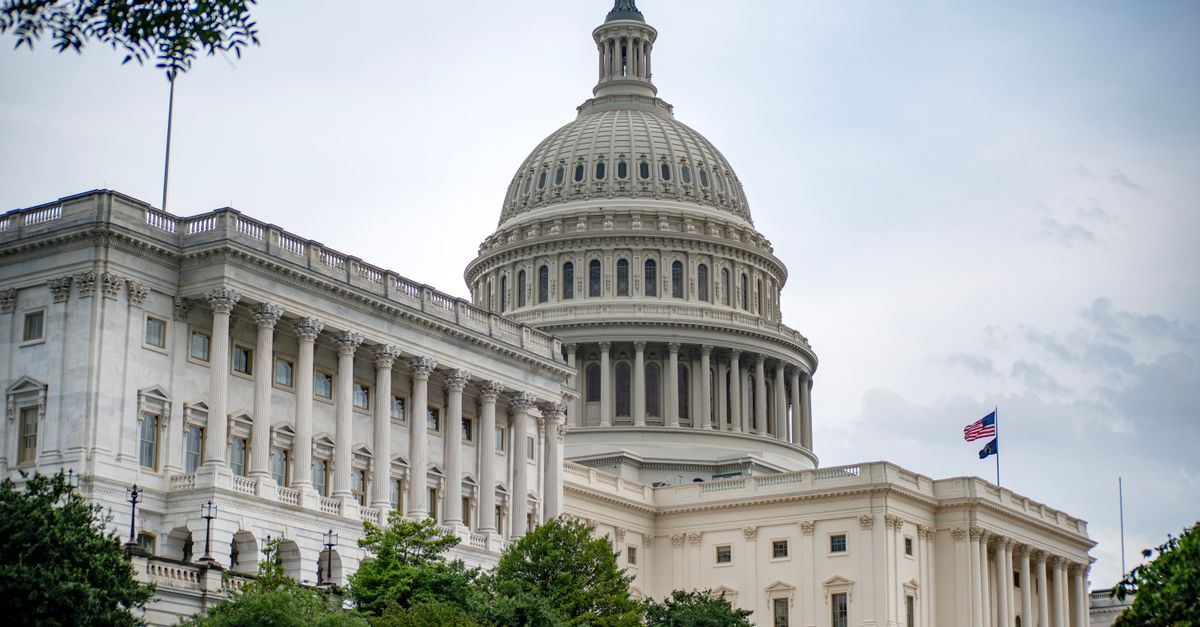
The White House’s top crypto adviser said Monday he feels good about the prospects of the Clarity Act, a bill that would give the United States its first comprehensive federal framework for regulating digital assets, hours before a critical Senate procedural vote scheduled for Tuesday. The bill needs 60 votes to advance, a threshold that requires bipartisan support in a chamber where Democrats have already raised sharp objections to how the legislation treats President Donald Trump’s personal crypto holdings.
Bo Hines made the remarks at a Solana Policy Institute summit in Washington, just as Senate Republicans released a revised version of the bill. The rewrite touched three sensitive areas: how stablecoin rewards are treated, the conflict-of-interest rules tied to Trump’s crypto business interests, and legal protections for software developers who build blockchain infrastructure without controlling user funds.
Why a Federal Framework Matters Now
For years, the U.S. crypto industry has operated in a regulatory gray zone, with the Securities and Exchange Commission and the Commodity Futures Trading Commission each asserting overlapping and sometimes contradictory authority over digital assets. The Clarity Act is designed to end that ambiguity by creating statutory definitions and jurisdictional lines that would determine, in many cases for the first time, which federal agency oversees which type of token or platform. That is why the bill has drawn intense lobbying from exchanges, developers and policy groups, and why its failure or passage carries consequences well beyond a single vote count.
The path to Tuesday’s vote has not been smooth. As detailed in earlier reporting on the family loophole that stalled the bill just days before the scheduled vote, concerns about how the legislation might shield the president’s own crypto ventures have shadowed the process from the start. The latest revisions were an attempt to address those concerns, but as coverage of the rewritten bill released ahead of the cloture vote makes clear, the changes have not settled every dispute.
What the Revisions Actually Change
The new language gives state attorneys general a formal role in enforcing conflict-of-interest provisions connected to public officials’ crypto holdings, including Trump’s. But Sen. Elizabeth Warren and other Democrats have criticized the provision because it stops short of allowing state prosecutors to bring charges against the president himself, leaving what they view as a meaningful gap in accountability. That criticism has fueled broader pushback documented in a separate report on state attorneys general urging the Senate to reject the bill outright ahead of the vote.
A second contested change involves the Blockchain Regulatory Certainty Act, a section of the bill meant to protect non-controlling software developers — people who write code for decentralized protocols but do not custody user funds — from certain criminal liability. The revised text removed references to a federal criminal statute that would have provided that shield. The Coin Center, a policy research group focused on cryptocurrency law, said the change fails to resolve an ongoing criminal law issue that is currently before the courts, meaning developers could remain exposed to prosecution under existing statutes even after the bill’s passage.
Hines said Trump personally approved the latest ethics language in the bill, a detail that underscores how directly the White House has been involved in shaping provisions that govern its own conflicts of interest. He also said the changes to developer protections emerged from negotiations with Sen. Catherine Cortez Masto, a Democrat whose support — or opposition — could prove decisive in a vote that requires a supermajority.
What Comes Next
The immediate question is whether the bill clears the 60-vote threshold on Tuesday. A successful cloture vote would move the Clarity Act toward substantive debate and amendments; a failure would send Republican leadership back to the negotiating table, likely with further changes to the ethics and developer-liability provisions that have drawn the most criticism. Related reporting on a possible revolt among senators hours before the vote suggests the outcome is not a foregone conclusion despite the administration’s public optimism.
Readers should watch several concrete markers in the coming days: whether Cortez Masto and other moderate Democrats vote to advance the bill given the developer-protection compromise; whether state attorneys general escalate their objections beyond public statements; and whether The Coin Center or other legal groups pursue further clarification on the criminal statute question left unresolved by the rewrite. The vote’s outcome will also shape how much authority the SEC and CFTC ultimately retain over an industry that has spent years asking Congress for exactly this kind of statutory clarity.
Source: The Block
This content is for informational purposes only and does not constitute financial or investment advice.


Create a free account to comment and earn rewards.
Create account Log in