
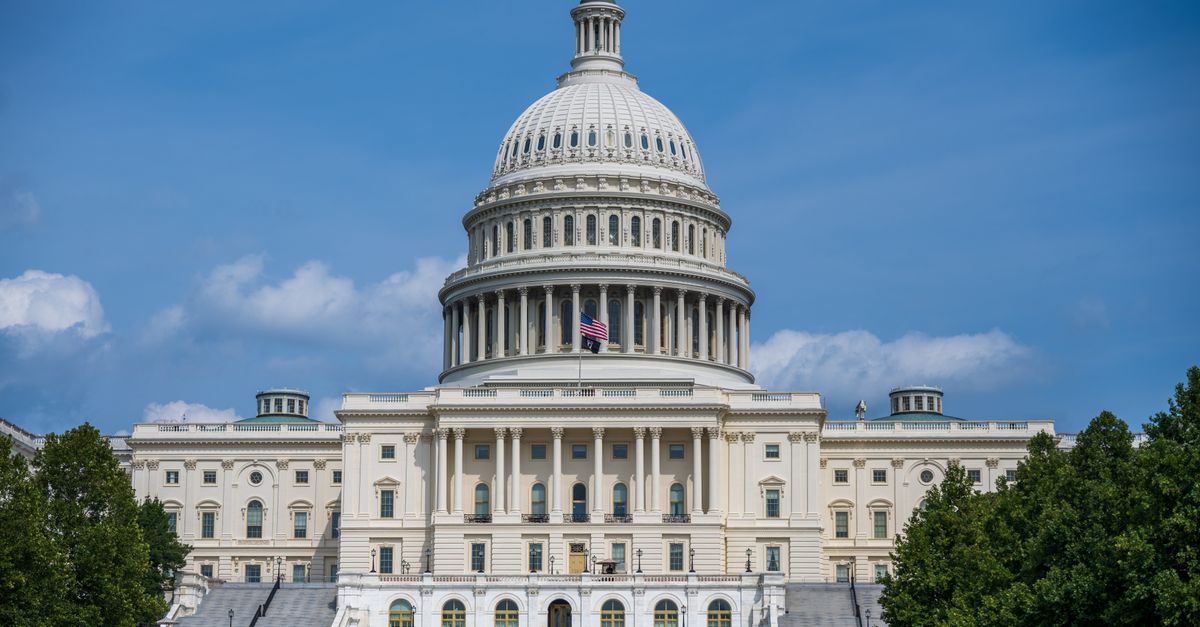
New York Attorney General Letitia James has led a bipartisan coalition of 17 state attorneys general in urging the U.S. Senate to reject the Clarity Act, warning that the sweeping crypto market structure bill would strip states of their power to prosecute fraud and protect investors. The letter, sent Monday to the Senate Banking Committee, lands one day before a scheduled procedural vote on the legislation and injects fresh uncertainty into a bill that has already been rewritten multiple times in recent days.
The coalition’s intervention is notable for its bipartisan makeup. Attorneys general from states as politically varied as California, Illinois, Arizona, Kansas, Ohio and Wisconsin signed on, suggesting the objections are less about partisan politics and more about a structural concern: who gets to police digital asset markets when something goes wrong. The letter was addressed to Senate Banking Committee Chair Tim Scott and ranking member Elizabeth Warren, placing the dispute squarely at the center of the chamber’s negotiations over the bill.
A Bill Still Being Rewritten Days Before the Vote
The Clarity Act is not a static piece of legislation. Its latest version, released Sunday night, now runs over 600 pages and includes changes requested by Democrats after weeks of negotiation. Among them is a provision giving state attorneys general a formal role in enforcing conflict-of-interest rules for public officials — a change that carries obvious political weight given President Trump’s own crypto holdings through World Liberty Financial and the TRUMP memecoin, reportedly worth hundreds of millions of dollars. That specific tension has already been the subject of separate reporting on how a family loophole tied to the president’s crypto holdings has complicated the bill’s path through the Senate.
The revised text also adds a Treasury-administered “circuit breaker” mechanism lasting 18 months, designed to limit stablecoin rewards programs that regulators worry could drain deposits from community banks. And it narrows money-transmission requirements for software developers through amendments to the Blockchain Regulatory Certainty Act, a change aimed at giving technical builders more legal clarity. A detailed breakdown of how Senate Republicans reshaped the bill ahead of the cloture vote is available in reporting on the rewritten legislation released just before the vote.
James herself is not a newcomer to this fight. She had previously called on Congress to strengthen the bill’s anti-money-laundering and ethics safeguards, and Monday’s letter reads as an escalation of that position — arguing the current draft still falls short despite the concessions added over the weekend.
What the Dispute Is Really About
At its core, the disagreement is about jurisdiction. The Clarity Act is designed to create a comprehensive federal framework for crypto market structure, likely shifting significant oversight authority toward federal regulators and away from the state-level enforcement that has, for years, been one of the few active lines of defense against crypto fraud in the United States. State attorneys general have historically been aggressive in pursuing crypto-related enforcement actions when federal agencies moved slowly or lacked clear statutory authority. The coalition’s letter argues that preempting or narrowing that state role removes a layer of investor protection just as the market matures and stablecoins move deeper into mainstream banking.
That banking angle is not abstract. Community banks have been vocal about the risk that stablecoin rewards programs could pull deposits away from traditional accounts, which is precisely why the bill’s 18-month circuit breaker provision exists. The broader industry has already been adjusting to this reality: partnerships allowing smaller banks to offer stablecoin products without building the infrastructure themselves, moves by larger banks to lock in deposits through tokenized payments and stablecoin offerings, and stablecoin issuers expanding their own market reach, as seen in recent acquisition activity in the sector. The Clarity Act’s stablecoin provisions sit directly on top of these shifts, meaning the bill’s fate will shape how banks and crypto firms compete for the same deposit base going forward.
What Comes Next
The immediate marker to watch is Tuesday’s Senate procedural vote, which will determine whether the Clarity Act advances at all in its current form. A handful of concrete developments are worth tracking in the days ahead:
- Whether the cloture vote succeeds, fails, or is delayed as lawmakers continue negotiating over the conflict-of-interest and enforcement provisions.
- Whether the Senate makes further changes to the state attorney general enforcement language in response to Monday’s letter.
- How the 18-month stablecoin circuit breaker provision is implemented if the bill advances, and whether Treasury guidance addresses community banks’ deposit concerns.
- Whether additional attorneys general, industry groups, or federal regulators weigh in publicly before or after the vote.
Regardless of Tuesday’s outcome, the letter underscores that the core disagreement over federal versus state authority in crypto regulation is far from settled, even as Congress moves closer than it has in years to passing comprehensive market structure legislation.
Source: The Block
This content is for informational purposes only and does not constitute financial or investment advice.


Create a free account to comment and earn rewards.
Create account Log in