
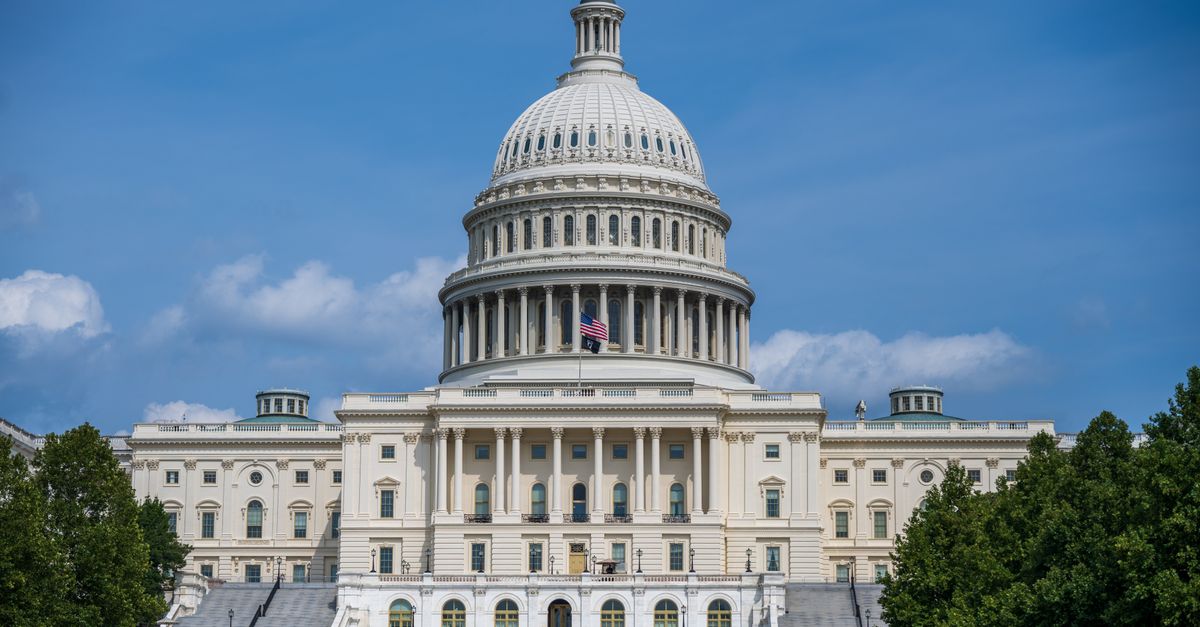
The US House Ways and Means Committee is preparing to mark up a 114-page crypto tax bill on Wednesday that leaves out the one provision miners and stakers had been counting on: the ability to defer taxes on their rewards until they actually sell them. Instead, under the Digital Asset Tax Certainty Act, H.R. 10357, published Monday, those rewards will continue to be taxed the moment they are received, a policy industry groups say punishes people for earning income in an asset whose price can move sharply before it is ever converted to cash.
The bill, championed in part by Rep. Mike Carey, arrives as the committee tries to consolidate months of piecemeal work into a single legislative package covering how crypto fees, stablecoins and lending are taxed. Three of the most active trade groups in Washington’s crypto lobby — the Blockchain Association, the Crypto Council for Innovation and the Digital Chamber — have been pushing for a friendlier outcome and are likely to keep pressing lawmakers even as the bill heads toward committee review.
How We Got Here
The missing provision traces back to Carey’s own Tax Clarity for Mining and Staking Act, introduced in June, which proposed letting miners and stakers defer tax liability on their rewards until the point of sale rather than at the moment of receipt. That approach mirrors how many other forms of property income are treated and was seen by the industry as a fix for a longstanding complaint: crypto rewards are taxed as ordinary income when received, even though the recipient may not have sold anything or generated any cash to cover the tax bill.
That same month, the Ways and Means Committee circulated seven separate draft bills addressing stablecoins, mining, staking and the broader reporting burdens facing crypto users and businesses. The current 114-page bill appears to be an attempt to fold much of that draft work into one comprehensive proposal. But somewhere between June’s drafts and Monday’s published text, the deferral language for miners and stakers fell away entirely — not narrowed, but removed.
Notably, industry groups had already signaled they would resist a middle-ground version of the idea. An earlier proposal floated a five-year cap on how long rewards could be deferred before taxes came due. Trade associations argued that a hard time limit defeated the purpose of deferral and pushed instead for Carey’s original, uncapped version. The final bill’s silence on the matter means that debate is effectively over, at least for now — the industry didn’t get the five-year compromise; it got nothing.
What It Means for Miners, Stakers and Everyday Users
For anyone running mining equipment or validating a proof-of-stake network, the practical consequence is unchanged: a tax obligation is created the instant a block reward or staking payout lands in a wallet, based on its market value at that moment. If the asset’s price later falls, the taxpayer can still owe a bill calculated on a higher valuation that no longer reflects reality. Industry groups have long argued this creates liquidity problems, since miners and stakers may need to sell part of their holdings just to cover taxes rather than because they chose to realize a gain.
The bill isn’t only about mining and staking, though that omission is drawing the most attention. It also addresses how small crypto payments used to cover network or transaction fees are treated, proposing that amounts under $10 would not trigger a taxable gain or loss calculation — a change aimed at sparing everyday users from tracking cost basis on tiny, routine transactions. Separate sections touch on stablecoins and crypto lending, areas where tax treatment has been murky and inconsistently applied by the IRS and by taxpayers themselves.
What Comes Next
Wednesday’s markup session will be the first real test of how much appetite committee members have to amend the bill before it advances. Industry groups are expected to lobby for the deferral language to be reinserted, given how vocally they opposed even the five-year compromise version. Whether Carey or other members introduce an amendment restoring some form of deferral will be an early signal of how the rest of the package might evolve.
The timing also matters. This House effort is unfolding alongside a separate, higher-profile fight in the Senate over the CLARITY Act, which would settle which regulator — the SEC or the CFTC — oversees various crypto markets. That measure has faced its own turbulence, including a rewritten version that triggered pushback just before a scheduled cloture vote, and warnings from state attorneys general urging senators to reject the bill outright. Taken together, the House tax markup and the Senate market-structure fight show two chambers moving on separate but related tracks — one setting rules for who regulates crypto, the other for how it gets taxed — with neither yet resolved and both closely watched by an industry eager for certainty on both fronts.
Source: Cointelegraph
This content is for informational purposes only and does not constitute financial or investment advice.


Create a free account to comment and earn rewards.
Create account Log in