
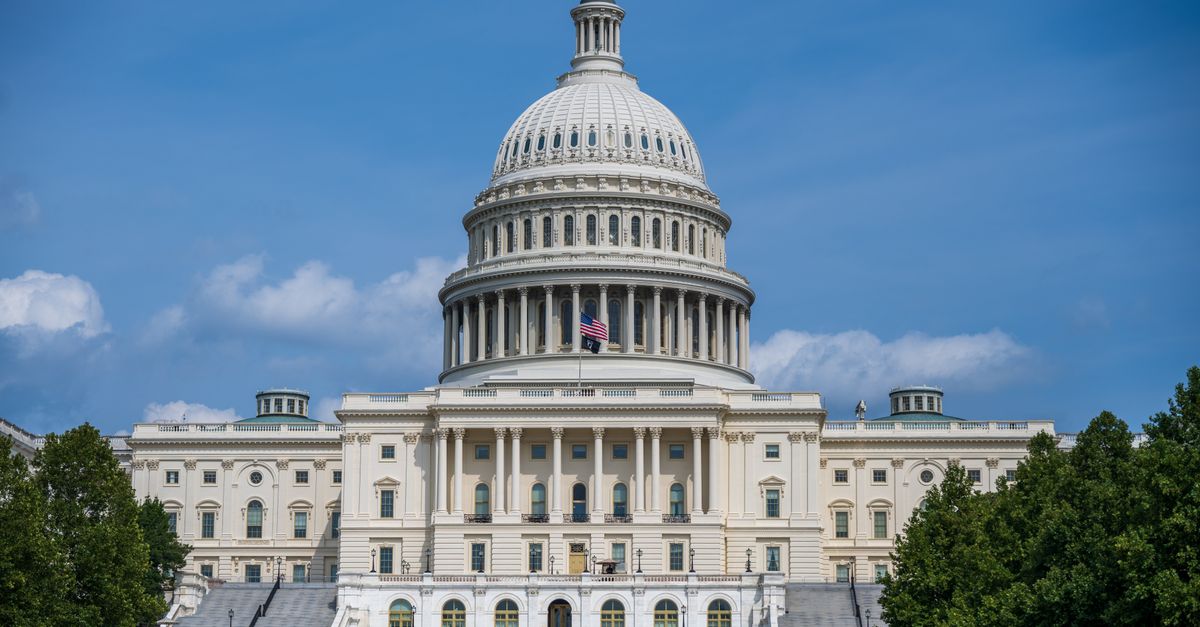
A one-vote margin in the U.S. Senate just rerouted the future of American crypto policy away from Congress and into the hands of regulators. The Clarity Act, a comprehensive crypto market structure bill more than a year in the making, failed to advance Tuesday on a 49-50 vote, ten short of the 60 needed under cloture rules. Within 48 hours, the SEC and CFTC moved to fill the vacuum, issuing agency actions that will shape how crypto assets and tokenized securities trade in the United States while lawmakers regroup.
A bill built over a year, undone by a familiar split
The Clarity Act was meant to do what Congress has struggled with for years: give crypto exchanges, issuers and trading platforms a clear rulebook spelling out which assets fall under SEC oversight and which belong to the CFTC. Negotiators spent more than twelve months trying to bridge that divide, building on momentum from the earlier passage of the GENIUS Act, which addressed stablecoins.
That momentum stalled when Senate Democrats voted as a bloc against advancing the bill, joined by Republicans Susan Collins, Josh Hawley and Jerry Moran. Thom Tillis switched his vote at the last moment, a procedural move that keeps the door open to reintroducing the measure rather than closing it for good. Seven Democrats, including Angela Alsobrooks, Kirsten Gillibrand, Mark Warner, Cory Booker, Catherine Cortez Masto, Ruben Gallego and Raphael Warnock, signaled that negotiations could resume. SEC Chairman Paul Atkins and senators such as Cynthia Lummis and Tim Scott had backed the effort as a way to give the roughly 70 million Americans the industry says are engaged with crypto some measure of regulatory certainty. For now, that certainty remains out of reach through legislation, though the bill’s survival mechanism has already been detailed in coverage of how the CLARITY Act survived the failed Senate vote through a procedural maneuver.
Agencies step into the gap Congress left open
Where Congress paused, regulators moved. Two days after the vote, the SEC issued what it is calling an innovation exemption, allowing tokenized versions of U.S. stocks to trade onchain. It is a narrower fix than a full market structure law, but it targets a market whose scale dwarfs the crypto sector itself — the U.S. equities market, opening a pathway some have already described as unlocking a $77 trillion stock market to tokenization. The CFTC, meanwhile, issued a no-action position shielding passive software providers from enforcement risk and quietly submitted a broader crypto markets rulemaking proposal to the White House for review. The contents of that proposal have not been made public.
Together, the two moves illustrate a pattern that has repeated itself in Washington whenever Congress stalls on crypto: agencies use existing statutory authority to carve out narrower, faster fixes. It is a strategy that has already drawn attention as regulators opened these limited pathways just as the legislative track stalled.
What it means for the industry
The practical effect is a bifurcated system. Instead of one law defining how digital assets and tokenized securities are treated across the board, market participants now face a patchwork of agency-level exemptions and no-action letters that can be narrower, more conditional and, crucially, easier to revise or revoke than statute. That cuts both ways. Tokenization advocates get a faster route to bring real-world assets onchain without waiting for a divided Senate to reach 60 votes. But the underlying legal foundation is thinner: an exemption issued by an SEC chairman can be unwound by a future chairman in a way an act of Congress cannot.
Market reaction to the vote itself was notably muted. Coverage of how crypto-linked equities and tokens absorbed the news showed assets largely shrugging off the setback, with crypto stocks bouncing back as regulators sidestepped the stalled bill and even tokens like XRP proving resilient through the vote and a subsequent Fed rate move. That muted response suggests markets had already priced in the likelihood that agencies, not Congress, would set the pace on crypto policy this cycle — a dynamic reinforced separately by a House panel advancing its own Bitcoin reserve bill only after stripping out its more binding provisions.
What to watch next
- Whether the seven Senate Democrats who signaled openness to renewed talks produce a revised Clarity Act text, and whether Tillis’s procedural vote translates into an actual reintroduction.
- The scope and conditions of the SEC’s tokenized-stock exemption as market participants begin testing it in practice.
- The content of the CFTC’s crypto markets rulemaking proposal once it clears White House review and becomes public.
- Whether other Republicans who broke ranks — Collins, Hawley and Moran — signal any path back toward supporting a future version of the bill.
For now, the center of gravity in U.S. crypto policy has shifted from the Senate floor to agency conference rooms. That may deliver faster, if narrower, wins for the industry — but it leaves the broader question of a durable legal framework unresolved.
Source: Decrypt
This content is for informational purposes only and does not constitute financial or investment advice.


Create a free account to comment and earn rewards.
Create account Log in