
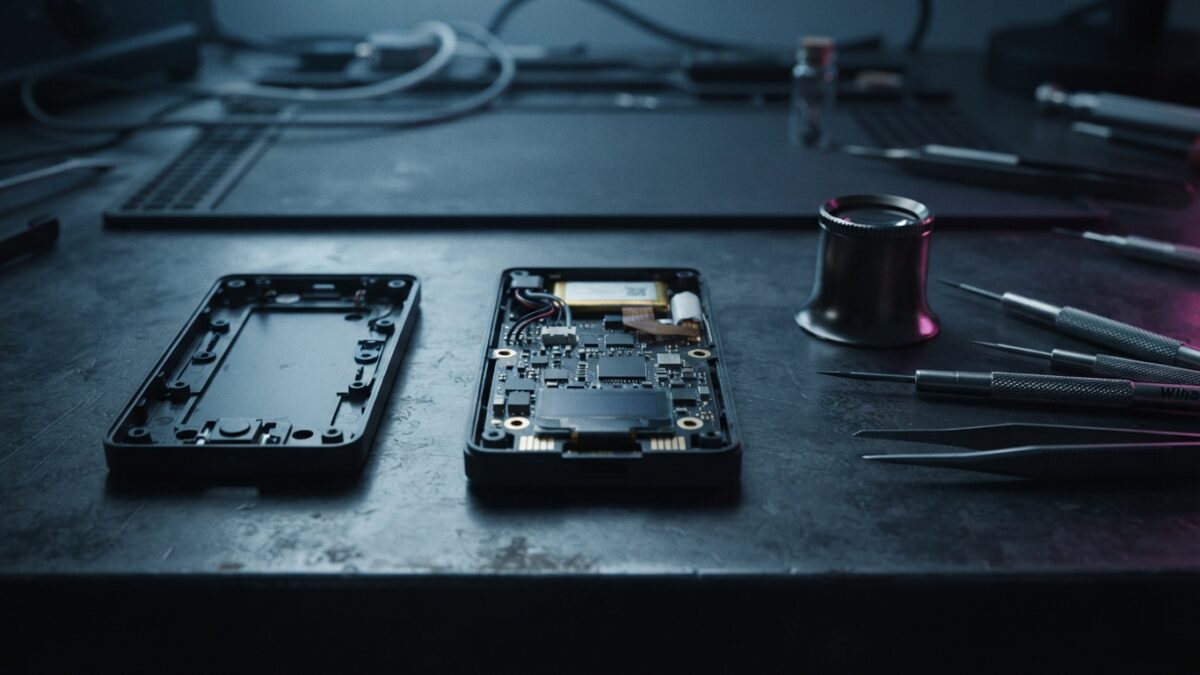
Ledger has confirmed that a hardware wallet purchased through a Southeast Asian reseller contained an unauthorized hardware implant, validating fears that attackers physically tampered with cold-storage devices before they ever reached customers. The confirmation, posted to X on Saturday and reported October 11, turns what had been a developing investigation into a documented case of supply-chain compromise in a product category sold specifically on the promise of offline security.
A reseller under scrutiny
The device in question came from CryptoBilis, which had been an authorized Ledger reseller in Indonesia, Malaysia and the Philippines. Investigator Specter, who has been tracking the incident, estimates that losses across Bitcoin, Ethereum and Tron tied to the affected devices could total as much as $86 million. Ledger has not confirmed that figure, nor has it disclosed how many customers were affected, saying only that the losses are real but that exact numbers are still being established.
Cointelegraph had reported a day earlier, on Friday, that Ledger was already investigating fund losses connected to the same reseller and had begun warning users. CryptoBilis has since halted sales of all hardware wallet inventory while the investigation continues, a decision that effectively removes it as a distribution point until the scope of the tampering is understood.
Ledger has been explicit that its own infrastructure, systems and services were not compromised. The company describes the incident as isolated to this single reseller and this single regional market, rather than a flaw in its hardware design or software supply chain more broadly. That distinction matters: it points to a breach in physical distribution and reseller vetting rather than an engineering failure inside Ledger’s own operations.
Why a hardware implant changes the calculus
Hardware wallets exist to solve a specific problem: keeping private keys away from internet-connected devices that can be hacked remotely. Buyers pay a premium for that offline isolation, trusting that a device bought new and sealed is exactly what it claims to be. An unauthorized hardware implant undermines that trust at its foundation, because it suggests a device can be intercepted, modified and resealed somewhere between the manufacturer and the end user, with no software update capable of catching it after the fact.
This is a different threat model from the phishing scams, fake apps and exchange breaches that dominate most crypto security headlines. It does not require tricking a user into revealing a seed phrase or clicking a malicious link. Instead, it targets the supply chain itself — the resellers, distributors and logistics networks that sit between a device manufacturer and a customer’s desk. For an industry that has spent years pushing self-custody as the safer alternative to leaving funds on exchanges, a confirmed tampering case in hardware wallets strikes at one of its core selling points.
It also raises uncomfortable questions about reseller oversight more broadly. Being an “authorized reseller” implies some level of vetting by the manufacturer, yet the incident shows that authorization alone did not prevent compromised units from reaching customers in three separate countries. Other companies that rely on third-party distribution networks for sensitive hardware — not just in crypto — may find this case worth studying as a cautionary example of where trust chains can break down.
What to watch next
Several threads remain open. Ledger has not yet confirmed the total number of affected customers or a precise loss figure, meaning the $86 million estimate from Specter should be treated as provisional until the company or independent investigators publish firmer numbers. How CryptoBilis handles its paused inventory, and whether its authorized-reseller status is reinstated, suspended or revoked, will signal how seriously Ledger treats reseller-level accountability going forward.
For anyone who purchased a device through this reseller, Ledger’s guidance is specific: avoid initializing any unused device, and if a device has already been set up, move funds to a new Ledger device with a freshly generated seed rather than trusting the existing one. Readers should also watch whether Ledger extends its investigation to other resellers in the region or elsewhere, and whether the company introduces new verification measures — such as tamper-evident packaging checks or serial number validation — to prevent a repeat.
The episode lands amid a broader year of scrutiny over how crypto infrastructure handles trust and custody, from exchange exposure in fund seizures like the one involving EQIBank and Tether’s limited exposure to the regulatory uncertainty following the collapse of the Senate’s crypto market structure bill. As institutions like Kraken’s parent company pursue ambitions to build out broader financial infrastructure, the Ledger case is a reminder that even the most basic layer of crypto security — the physical device holding a private key — still depends on a supply chain that can be compromised long before a user ever opens the box.
Source: Cointelegraph
This content is for informational purposes only and does not constitute financial or investment advice.


Create a free account to comment and earn rewards.
Create account Log in